
Customer Relationship Management (CRM) automation has transformed the way businesses handle their sales processes. In a competitive market where speed, accuracy, and personalization matter more than ever, manual sales management can slow teams down and increase the risk of errors. CRM automation streamlines tasks, improves communication, and enables sales teams to focus on what truly matters: building relationships and closing deals. By integrating automation into CRM systems, companies can simplify their sales process while increasing efficiency and profitability.
At its core, CRM automation refers to the use of software tools that automatically manage repetitive and time-consuming sales activities. These activities include lead capturing, data entry, follow-up reminders, email campaigns, pipeline management, and reporting. Instead of spending hours updating spreadsheets or tracking conversations manually, sales representatives can rely on automated workflows to keep everything organized and up to date. This reduces administrative work and allows teams to concentrate on selling.
One of the most significant ways CRM automation simplifies the sales process is through efficient lead management. In traditional systems, leads are often scattered across emails, forms, and spreadsheets, making it difficult to track their progress. With CRM automation, leads are captured automatically from multiple sources such as websites, social media, and landing pages. Once entered into the CRM, they can be assigned to sales representatives based on predefined rules, such as location, industry, or deal size. This ensures faster response times and eliminates confusion about ownership.
CRM automation also improves lead nurturing. Not every lead is ready to make a purchase immediately, so consistent follow-up is essential. Automated email campaigns and reminders ensure that potential customers receive timely communication without requiring constant manual effort. For example, if a prospect downloads a brochure, the CRM can automatically send a follow-up email with additional information or schedule a call reminder for the sales team. This keeps leads engaged and increases the chances of conversion.
Another key benefit of CRM automation is better data accuracy and organization. Manual data entry often leads to mistakes, duplicates, or missing information. Automated systems collect and update data in real time, ensuring consistency across all customer records. Every interaction, from emails and calls to meetings and purchases, is stored in a centralized database. This creates a complete customer profile that sales representatives can access at any time. With accurate data, teams can make better decisions and provide more personalized experiences.
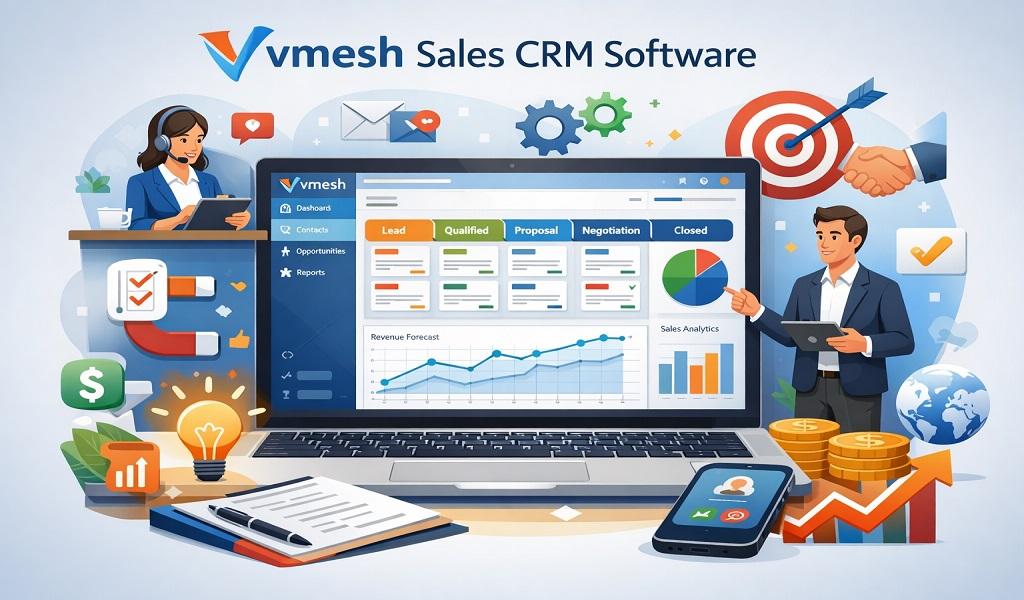
Pipeline management becomes significantly easier with CRM automation. A sales pipeline shows where each deal stands, from initial contact to final purchase. Automated CRM tools visually represent this pipeline and update deal stages automatically based on customer actions or sales activities. For example, when a contract is sent or a meeting is scheduled, the system can move the deal to the next stage. This real-time visibility helps managers identify bottlenecks, forecast revenue more accurately, and allocate resources effectively.
CRM automation also enhances communication and collaboration within sales teams. Since all customer data is stored in one place, team members can easily access notes, conversations, and updates. This is especially useful for larger teams or organizations with remote workers. If one representative is unavailable, another can step in without losing context. Automation ensures that everyone stays informed, reducing miscommunication and improving teamwork.
Time management is another area where CRM automation makes a major difference. Sales professionals often spend a large portion of their day on non-selling activities such as logging calls, scheduling follow-ups, and preparing reports. Automation handles many of these tasks in the background. For instance, after a call, the CRM can automatically log the activity and set the next follow-up reminder. This allows sales representatives to focus on building relationships and closing deals rather than managing paperwork.
Personalization is crucial in modern sales, and CRM automation makes it easier to achieve. By analyzing customer data, automated systems can segment leads based on preferences, behavior, and purchase history. This enables sales teams to send targeted messages that resonate with each audience. Personalized communication builds trust and increases the likelihood of conversion. Instead of sending generic emails, sales teams can deliver tailored content that addresses specific customer needs.
CRM automation also supports better customer experience. When sales processes are smooth and efficient, customers receive faster responses and more relevant information. Automated workflows ensure that no lead is forgotten and no follow-up is missed. This reliability creates a positive impression and strengthens the company’s reputation. A well-implemented CRM system ensures that customers feel valued and understood throughout their journey.
Another important advantage is performance tracking and reporting. CRM automation generates real-time reports on key sales metrics such as conversion rates, deal values, response times, and team performance. Instead of manually compiling data, managers can access dashboards that provide instant insights. These analytics help identify trends, measure success, and make informed strategic decisions. With clear visibility into performance, businesses can continuously improve their sales processes.
CRM automation also supports scalability. As a business grows, managing a larger number of leads and customers manually becomes increasingly difficult. Automated CRM systems can handle increased workloads without compromising efficiency. Whether a company is managing hundreds or thousands of leads, automation ensures consistent processes and high productivity. This makes CRM automation an essential tool for growing organizations.
Finally, CRM automation reduces costs by increasing efficiency and minimizing errors. By automating repetitive tasks, businesses can achieve more with fewer resources. Sales teams become more productive, and the chances of losing opportunities due to missed follow-ups or disorganized data are significantly reduced. Over time, this leads to higher revenue and better return on investment.
In conclusion, CRM automation simplifies the sales process by streamlining lead management, improving data accuracy, enhancing communication, and enabling better decision-making. It reduces administrative burdens, increases productivity, and creates a more personalized and efficient sales experience. In today’s fast-paced business environment, adopting CRM automation is no longer a luxury but a necessity. Companies that leverage automation in their CRM systems gain a competitive advantage by building stronger customer relationships, closing deals faster, and driving sustainable growth.

 English
 French
 Spanish
 Portuguese
 Deutsch
 Turkish
 Dutch
Dutch
 Italiano
 Russian
 Romaian
 Portuguese (Brazil)
 Tiếng Việt