


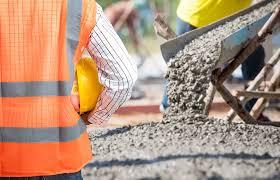
Concrete is tough when it dries, but it is not perfect if professionals do not handle it properly. Every property owner in this city has walked past a cracked driveway, a split patio slab, or a foundation wall with a line running through it, and wondered the same thing: why did that happen? In this blog, our concrete contractor NYC will answer this question in detail. Concrete cracks for different reasons, and each reason points to something specific going on either with the material itself, the ground underneath it, or the conditions it has been sitting in. Here is what actually causes it.
It Shrinks When It Dries
Most people do not know this but fresh concrete shrinks as it cures. The water in the mix evaporates and as that happens the material pulls inward slightly. That pulling creates tension inside the slab, and when the tension gets strong enough, a crack opens up to release it.
This happens more when:
-
Extra water was thrown into the mix to make it easier to work with
-
The surface dried out too fast because of the heat or the wind on pour day
-
The slab was poured without control joints to give the cracking somewhere to go
-
The depth of the pour was not enough for the surface it covers
Control joints are cut into fresh concrete for exactly this reason to give the slab a planned place to crack rather than letting it choose its own spot.
The Ground Underneath Shifts
A concrete slab is only as solid as what is sitting under it. When the ground below a slab moves the concrete loses its support and starts carrying weight it was not designed to carry alone. Eventually something gives.
Reasons the ground moves:
-
Sub base that was not properly compacted before the pour
-
Soil that expands when it gets wet and pulls back when it dries out
-
Tree roots are growing underneath and pushing the slab up from below
-
Water slowly washes away material from under the slab over months and years
-
Vibration from nearby construction is loosening the ground around the base
When this is the cause, the slab does not just crack, it usually shifts position too. A concrete contractor Brooklyn dealing with this kind of damage digs down, fixes what is underneath, and then pours new concrete on a base that will actually hold it.
Winter Does Real Damage
New York winters are hard on concrete. Water gets into small surface cracks and gaps before temperatures drop. When it freezes it expands. That expansion pushes the crack open a little wider. Then it thaws, more water gets in, freezes again, and the whole cycle repeats every time the temperature drops below zero through the winter. By the time spring arrives the crack is noticeably bigger than it was in autumn.
This is why small cracks need to be sealed before winter and not left until spring. The longer water has access to a crack the more damage it does before the ground thaws.
Too Much Weight Too Often
Every concrete surface has a load limit. When that limit gets pushed regularly the concrete starts showing stress cracks that spread over time. A residential driveway poured for cars that regularly has a heavy truck parked on it is going to crack. Construction equipment, dumpsters, and heavy soil planters sitting on surfaces not built for that weight do the same thing.
The Original Job Was Not Done Right
A lot of cracks that show up in the first year or two are not bad luck. They are the result of a mix that was too weak, a pour that was too thin, reinforcement that was skipped, or concrete that was put into use before it finished curing. Bad work shows up fast and it keeps showing up.
Conclusion
Filling a crack without knowing what caused it is temporary at best. Reliance Construction NY looks at what is actually behind the damage before touching anything. Reach out today and get a straight honest look at what your concrete needs.

 Arabic
 French
 Spanish
 Portuguese
 Deutsch
 Turkish
 Dutch
Dutch
 Italiano
 Russian
 Romaian
 Portuguese (Brazil)
 Tiếng Việt