


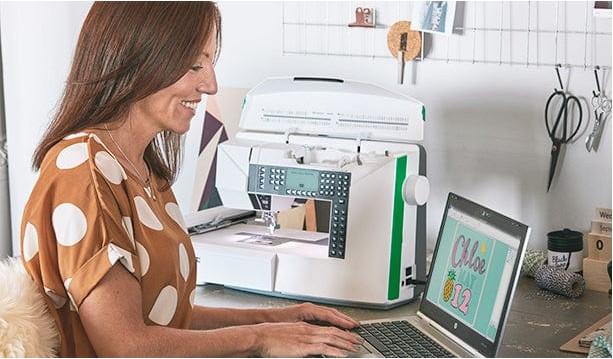
Baby Lock machines are strong and smart. They help you create clean and sharp embroidery. But even the best machine needs the right file. If your design is not ready, the result may look messy. Threads may break. Fabric may pull. The design may not look like the screen.Many users try to Convert Embroidery Files for Babylock without knowing the right steps.
This can lead to file errors or poor stitch quality. I have worked with many Baby Lock models over the years. I have tested designs on cotton, fleece, denim, and caps. In this guide, I will share simple ways to make your designs run smooth and clean.
Understanding How Baby Lock Machines Read Designs
Before you start, you must know one thing. Baby Lock machines do not read images. They read stitch data.
What Does That Mean?
It means:
-
The machine reads stitch points.
-
It follows a stitch path.
-
It needs the correct file format.
If the format is wrong, the machine may not open the file. Or it may stitch it the wrong way.
Know the Correct File Format
Each embroidery machine uses specific file types.
Common Baby Lock File Formats
Most Baby Lock machines use:
-
PES
-
PEC
-
DST (in some models)
Always check your machine manual. Do not guess. If you use the wrong format, your design will not load.
Start with a Clean and Simple Design
Simple designs run better.
Why Simple Is Better
Too many small details can cause:
-
Thread breaks
-
Slow stitching
-
Poor shape
If your logo has tiny text, it may not stitch well. Thin lines may disappear. Clean and bold shapes work best.
Choose the Right Size
Size matters a lot in embroidery.
How Size Affects Stitching
If a design is too small:
-
Stitches get tight.
-
Details vanish.
If it is too big:
-
Stitches may spread.
-
Fabric may wrinkle.
Always set the final size before saving the file.
Use Proper Stitch Types
Each shape needs the right stitch.
Main Stitch Types
Satin Stitch
Good for:
-
Text
-
Borders
-
Small shapes
It gives a smooth shine.
Fill Stitch
Good for:
-
Big areas
-
Solid shapes
It covers space evenly.
Running Stitch
Good for:
-
Light outlines
-
Fine detail
I always match stitch type to shape. This gives clean results.
Adjust Stitch Density
Density means how close the stitches are.
Why Density Is Important
Too tight:
-
Fabric puckers.
-
Thread breaks.
Too loose:
-
Gaps show.
I test density based on fabric type. Cotton needs one setting. Fleece needs another. Caps need strong support.
Do Not Skip Underlay
Underlay is the base layer of stitches.
What Underlay Does
It helps to:
-
Hold fabric firm
-
Add strength
-
Keep top stitches neat
Many new users skip this step. That is a big mistake. Good underlay makes a huge difference.
Pick the Right Needle and Thread
Your machine is only part of the setup.
Needle Choice
Use the right needle size:
-
75/11 for light fabric
-
80/12 for medium fabric
-
90/14 for thick fabric
A dull needle can ruin a design.
Thread Quality
Use strong and smooth thread. Cheap thread breaks often. It also fades after wash.
I always test thread before big jobs.
Use the Correct Stabilizer
Stabilizer keeps fabric steady.
Types of Stabilizer
-
Cut-away
-
Tear-away
-
Wash-away
For stretch fabric, use cut-away. For caps, use firm backing. For thin fabric, use light support.
Wrong stabilizer causes:
-
Design shift
-
Wrinkles
-
Poor stitch look
Hoop the Fabric the Right Way
Bad hooping leads to bad stitching.
How to Hoop Correctly
-
Keep fabric tight.
-
Do not stretch too much.
-
Make sure it is flat.
If fabric moves, the design will not line up.
Test Stitch Before Final Work
Never skip a test run.
Why Test Stitch Is a Must
A test shows:
-
Thread breaks
-
Density issues
-
Size problems
-
Tension errors
I always test on the same fabric type. This saves time and money.
Use Good Embroidery Software
Software helps you edit and adjust designs.
Popular Tools
-
Hatch
-
Wilcom
-
Embrilliance
-
Baby Lock Palette
These tools help you:
-
Resize safely
-
Change stitch types
-
Adjust density
-
Preview stitch path
But software alone is not enough. You need skill and practice.
Real Experience: Common Problems and Fixes
Over the years, I have seen many issues with Baby Lock machines.
Problem 1: Thread Breaking
Cause:
-
Wrong needle
-
Tight density
-
Poor thread
Fix:
-
Change needle
-
Adjust density
-
Use quality thread
Problem 2: Fabric Puckering
Cause:
-
No underlay
-
Wrong stabilizer
-
Tight stitches
Fix:
-
Add underlay
-
Use proper backing
-
Adjust density
Problem 3: Design Not Loading
Cause:
-
Wrong file format
-
Corrupt file
Fix:
-
Save in correct format
-
Re-export file
These small checks solve most issues.
Maintain Your Baby Lock Machine
A clean machine runs better.
Basic Maintenance Tips
-
Clean lint daily.
-
Oil when needed.
-
Change needles often.
-
Check thread tension.
Lint build-up can block smooth stitching.
Plan the Stitch Order
Stitch order affects quality.
Why Stitch Order Matters
Good stitch order:
-
Reduces jumps
-
Saves thread
-
Makes design neat
Bad order causes trims and messy results.
I always review stitch path before final save.
Work with Experts for Complex Designs
Some designs are simple. Some are not.
Photos, 3D puff logos, and small detailed art need skill. Auto digitizing may fail.
That is why many users trust Embroidery Digitizing Services in USA - Digitizing Buddy. They have trained digitizers. They adjust every stitch by hand. They test designs before delivery.
This builds trust and saves time.
Keep Your Results Consistent
Consistency is key in embroidery.
Train Your Team
If you run a shop:
-
Teach proper hooping
-
Teach thread setup
-
Teach machine cleaning
Small errors lead to poor quality.
Store Files Safely
Keep backup copies. Name files clearly. Use folders for each client.
This keeps your work organized.
Build Trust with Clean Work
If you sell embroidery, your work shows your skill.
Clients notice:
-
Smooth edges
-
Clear text
-
Even fill
Poor stitching hurts your image.
Professional help from Embroidery Digitizing Services in USA - Digitizing Buddy can improve quality. They focus on clean stitch paths and correct settings. Their work supports your brand image.
Final Thoughts
Making your designs work smoothly on Baby Lock machines is not hard. But it needs care. Start with the right file format. Keep the design simple. Choose proper stitches. Adjust density. Use the right stabilizer. Test before final production.
From my own experience, small steps make a big change. Clean hooping. Sharp needles. Good thread. Proper underlay. These details matter.
If a design feels complex, do not risk it. Expert digitizers like Embroidery Digitizing Services in USA - Digitizing Buddy bring skill and care to every file. Their knowledge helps avoid common mistakes.
Embroidery is both art and skill. With the right steps, your Baby Lock machine will run smooth. Your designs will look sharp. And your clients will trust your work again and again.

 Arabic
 French
 Spanish
 Portuguese
 Deutsch
 Turkish
 Dutch
Dutch
 Italiano
 Russian
 Romaian
 Portuguese (Brazil)
 Tiếng Việt